Learn how pool fencing can be installed securely on paver patios without creating loose, unstable fence posts.
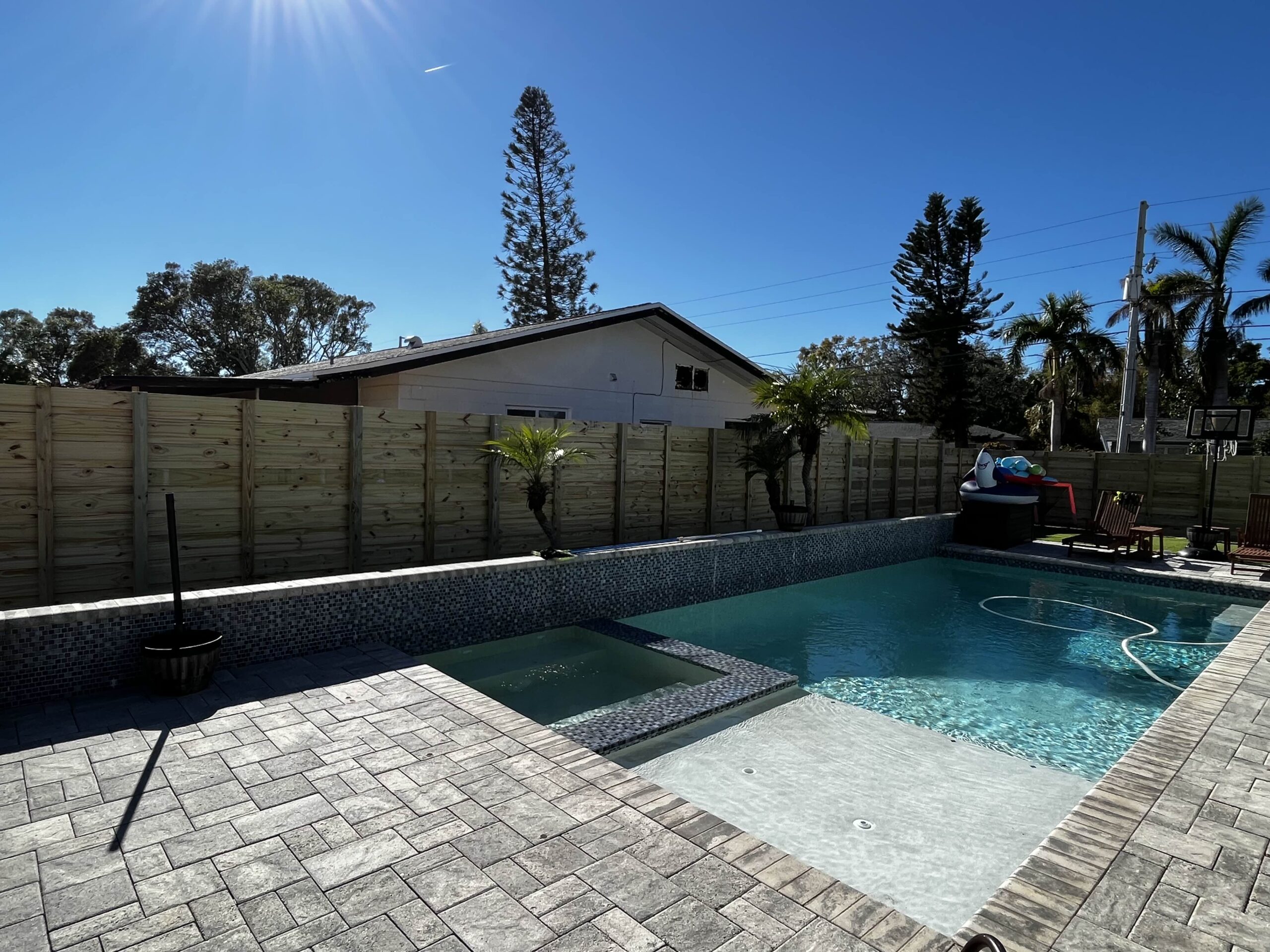
Installing a pool fence on pavers requires more planning than installing directly into soil or a solid concrete slab.
Pavers can shift independently, so the fence posts need to be secured to a stable structure beneath or through the paver system.
The biggest mistake with paver installations is treating the paver itself like a structural footing. The fence needs support beneath the decorative surface.
There are a few ways pool fencing can be installed through or around pavers.
A base plate can sometimes be used when there is a solid structural surface underneath the pavers.
This approach may involve:
The mounting system should not rely solely on the paver.
Another approach is removing individual pavers where the fence posts will be located.
The installer can then:
This creates a more independent structural foundation for the fence.
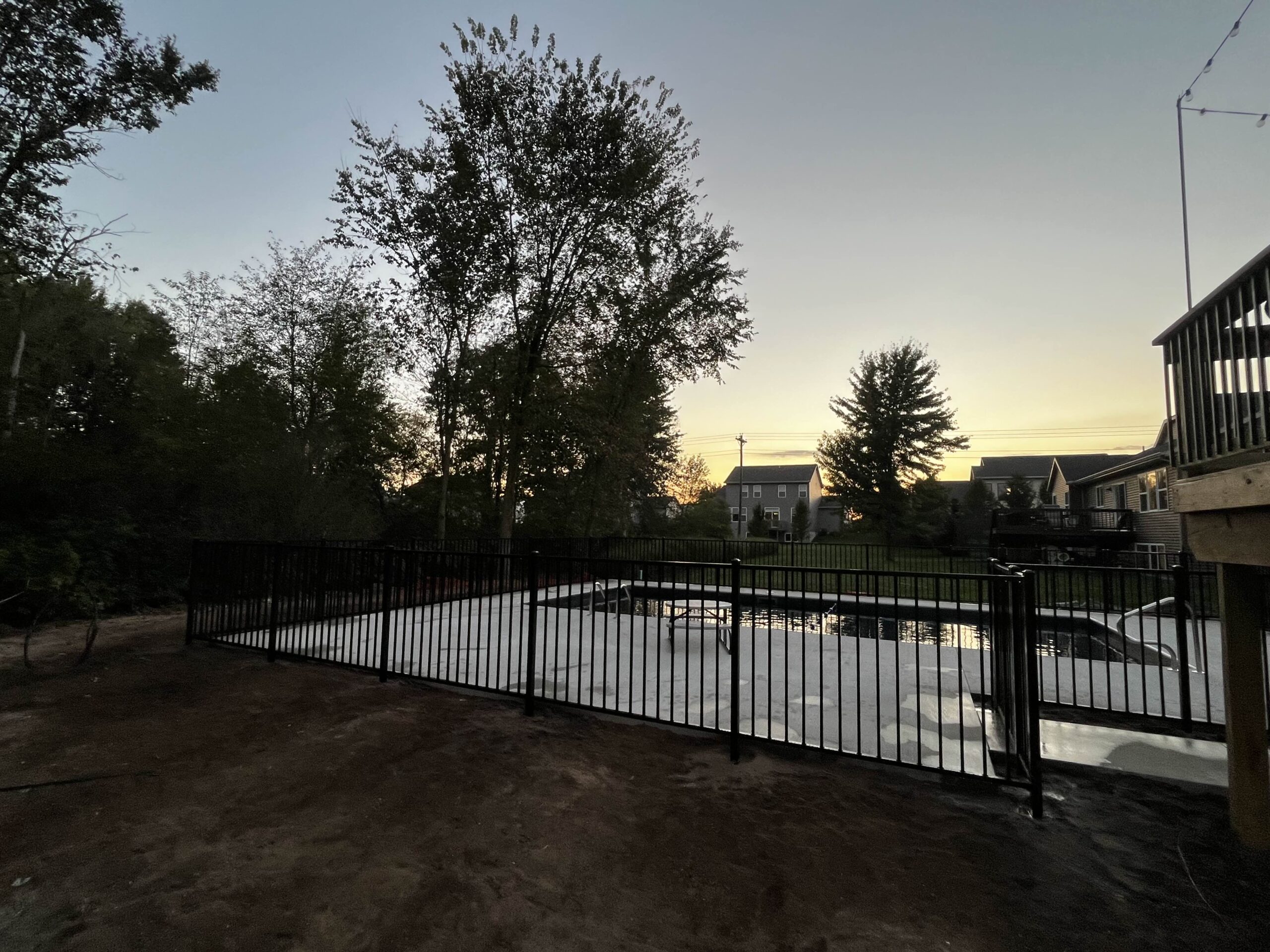
Individual pavers are designed as part of a flexible hardscape system.
Over time they can:
If the fence post depends entirely on that movement-prone surface, alignment and gate operation can suffer.
Gate posts experience more movement and loading than ordinary fence posts.
A gate installation should account for:
This is one area where a more substantial footing may be worth it.
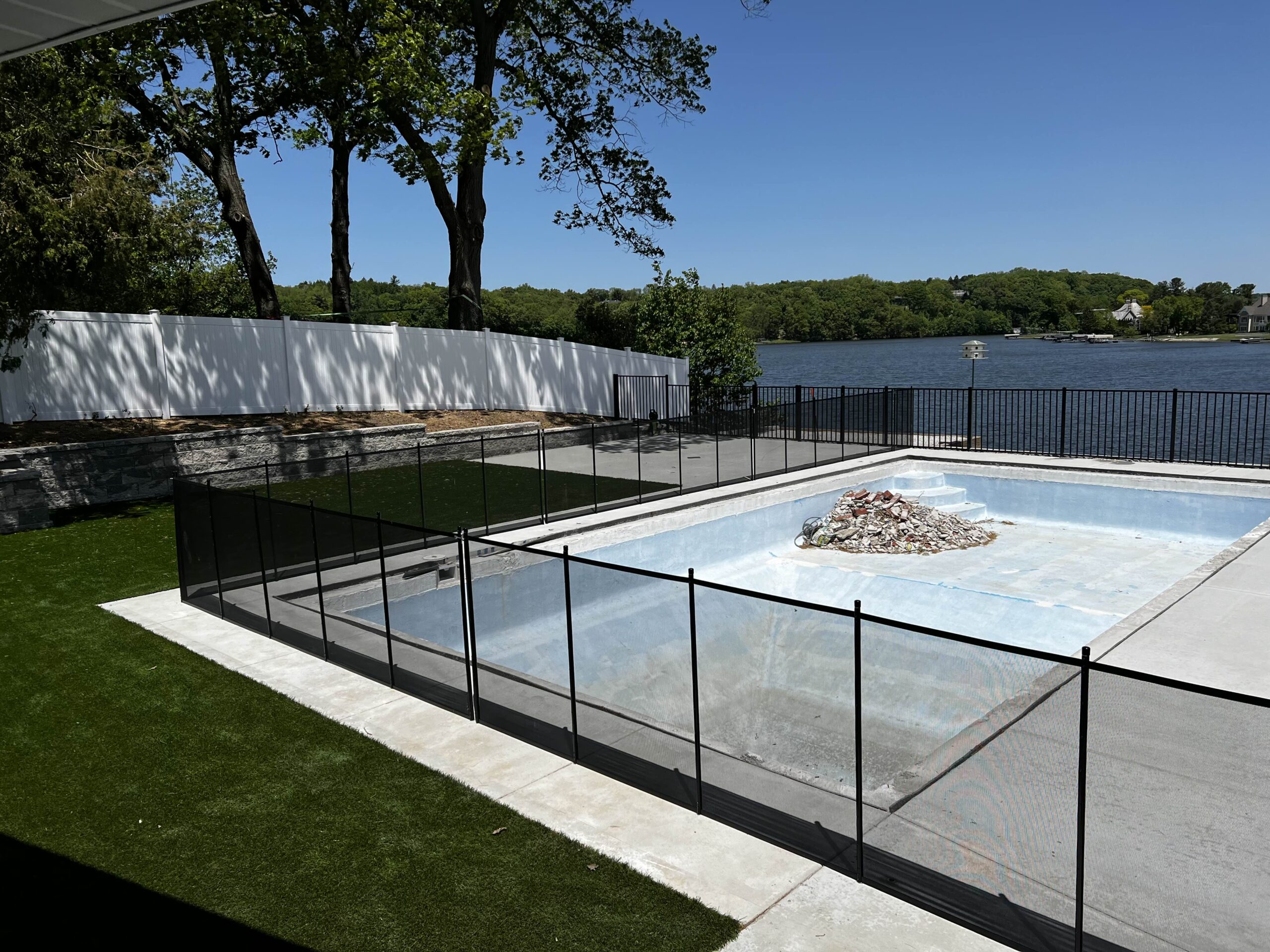
The mounting surface does not change the safety requirements for the finished fence.
The enclosure may still need:
A good installation should secure the fence without leaving the patio looking patched together.
Planning post locations before drilling or removing pavers can make a major difference.
Pro-Line Fencing can evaluate the patio, fence layout, gates, and mounting conditions before determining the best installation method.