Explore pool fencing options for Michigan homes, including aluminum, vinyl, code requirements, gates, and installation considerations.
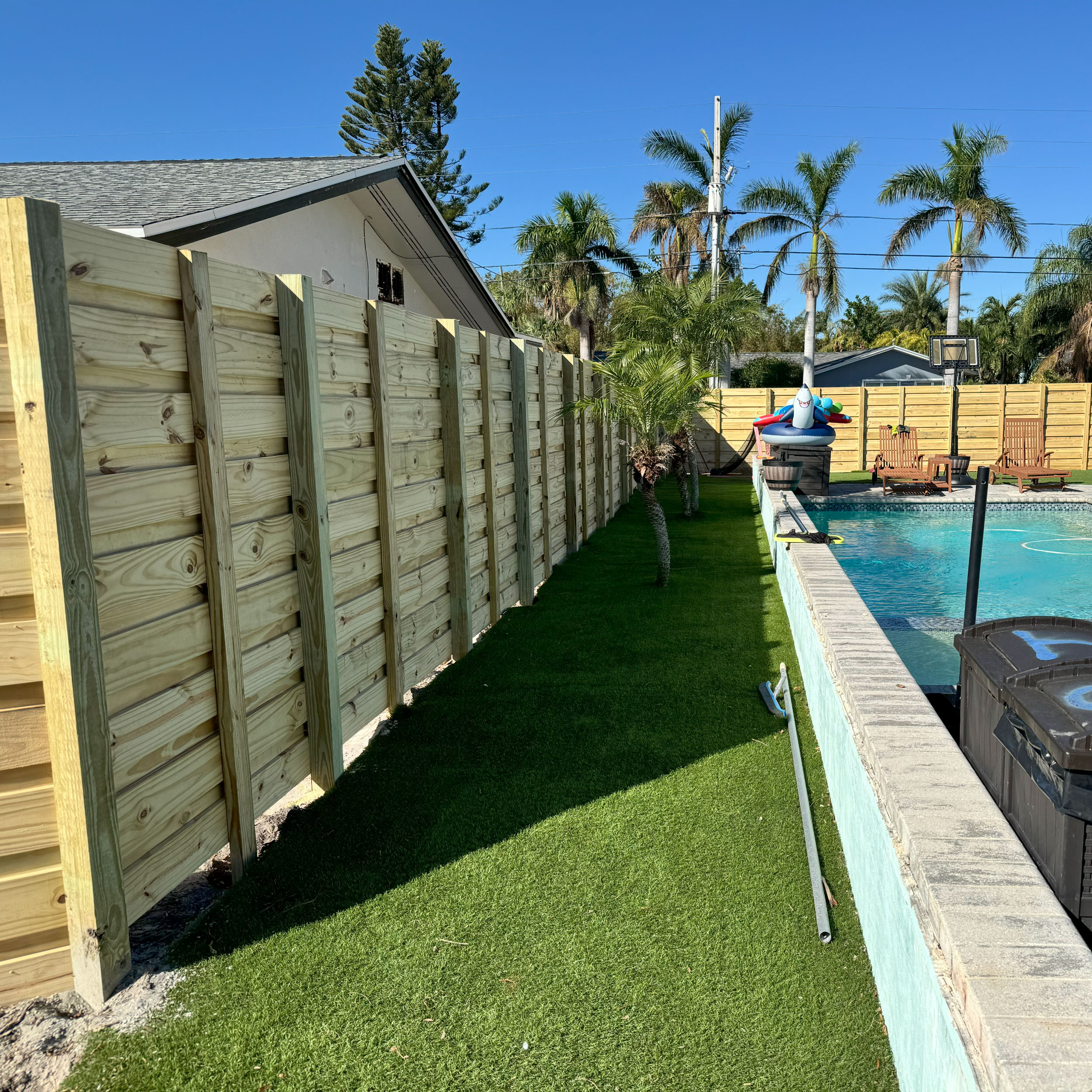
A good pool fence has to do more than look nice. It needs to control access, work with the layout of your property, and meet applicable safety requirements.
For Michigan homeowners, the right pool fence combines safety, durability, and a design that fits the backyard.
The best pool fence is one you trust every time your kids, pets, family, or guests are outside.
Pool barriers are designed to reduce accidental access to the water.
Depending on the pool and municipality, requirements may address:
Always verify local requirements before installation.
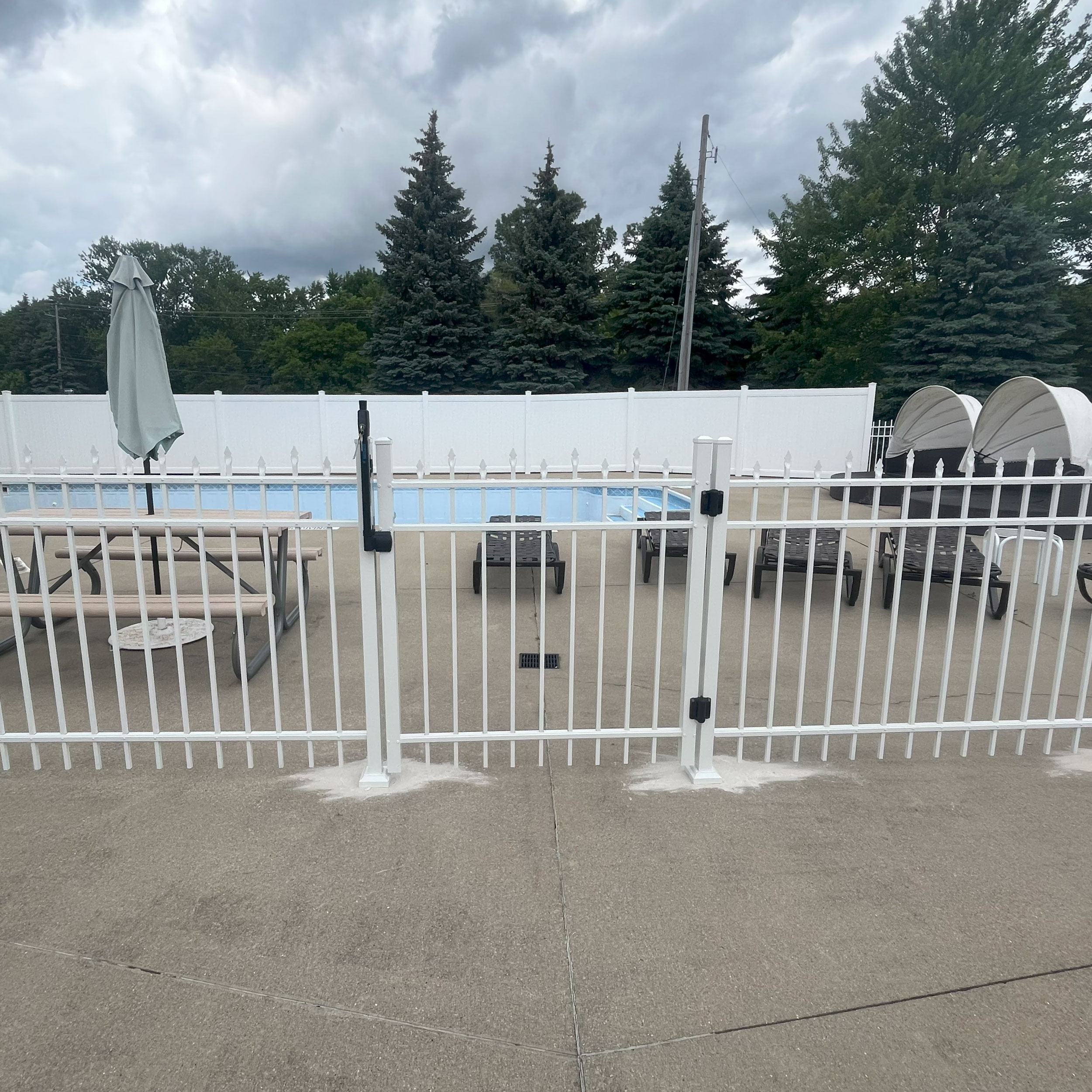
Aluminum is one of the most popular options around pools because it provides security without blocking the view.
Benefits include:
It is especially useful when homeowners want to see the pool clearly from the house or patio.
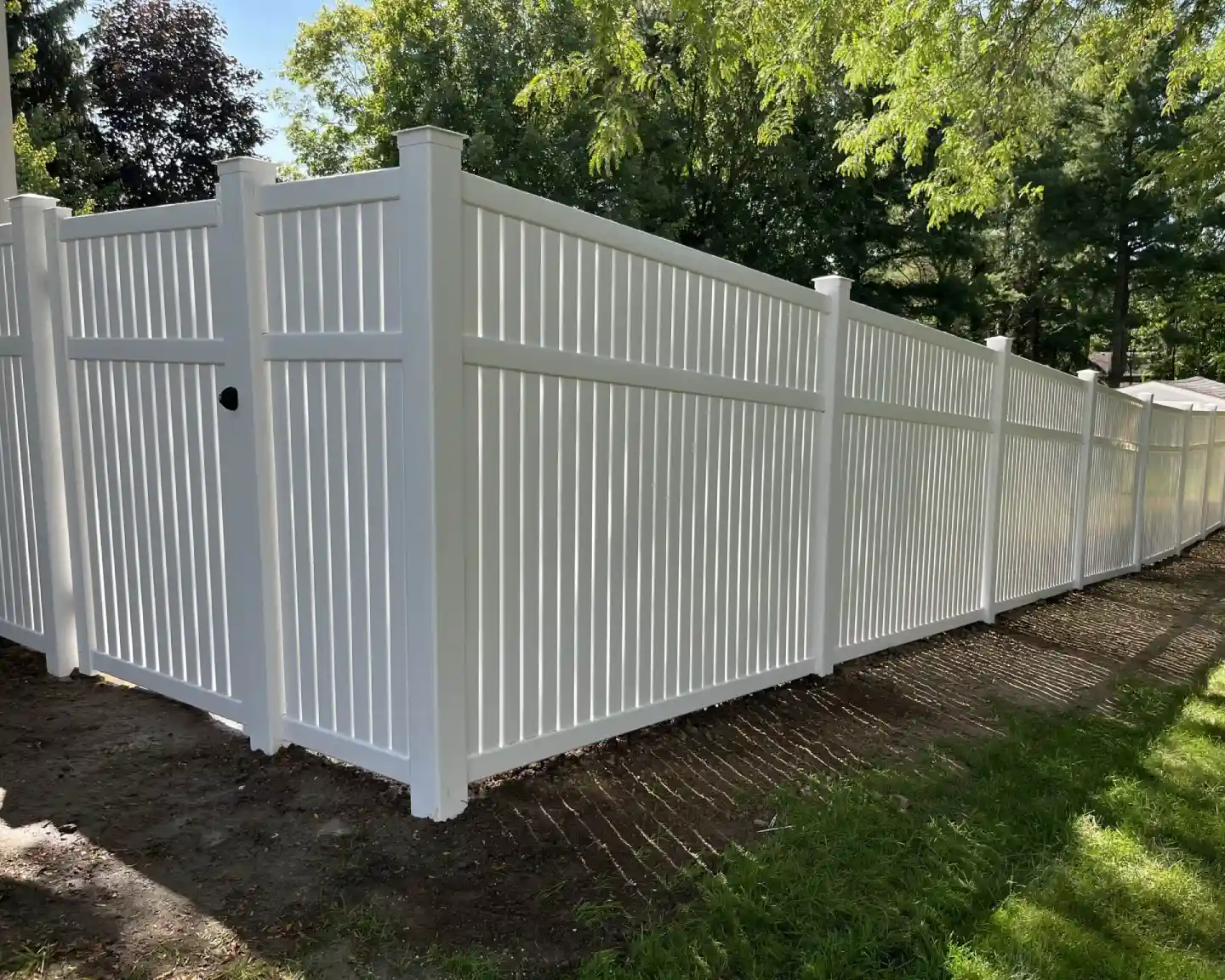
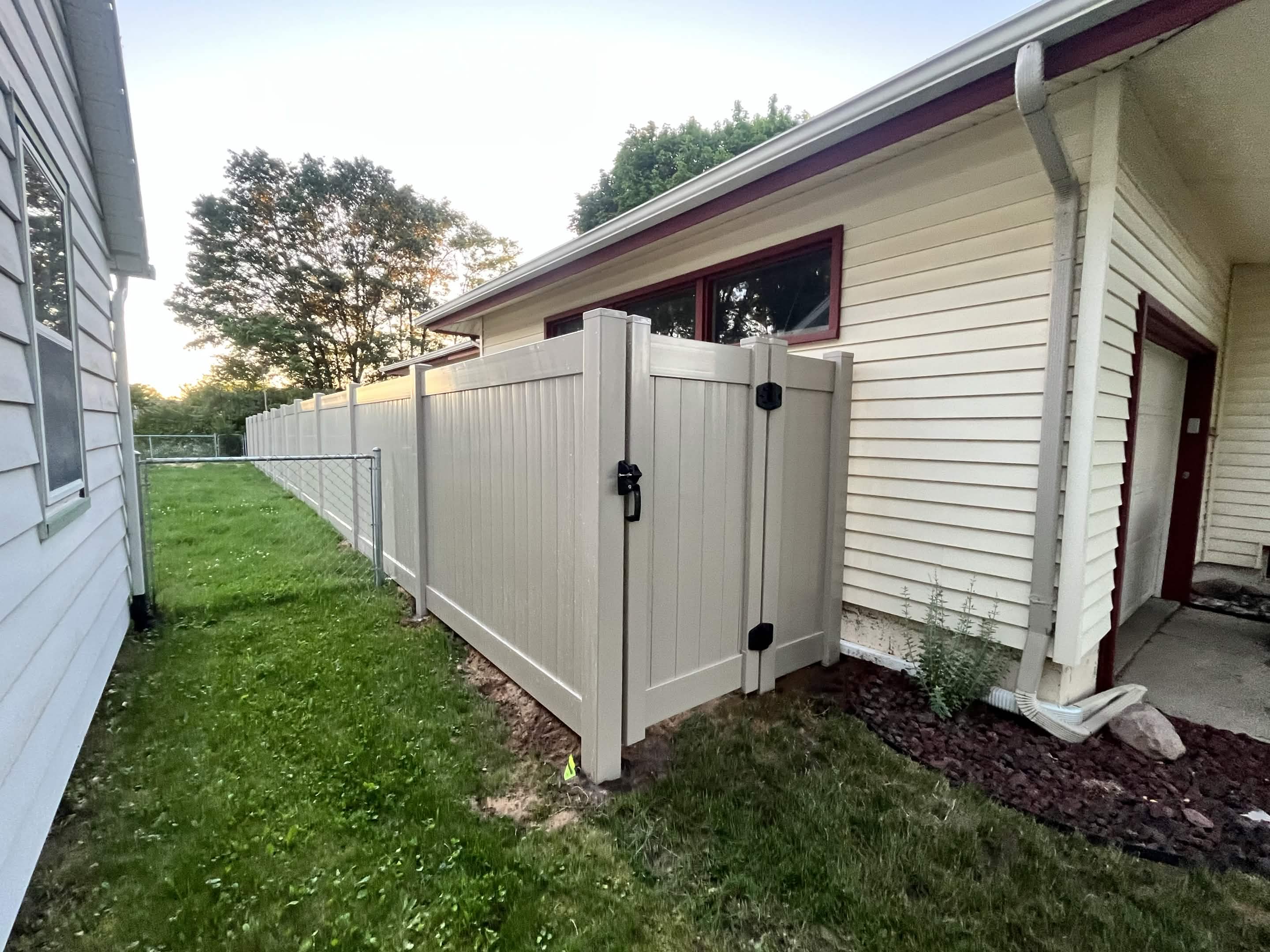
Vinyl is a strong choice when privacy matters.
Benefits include:
Vinyl can work especially well for pools close to neighboring homes or busy roads.
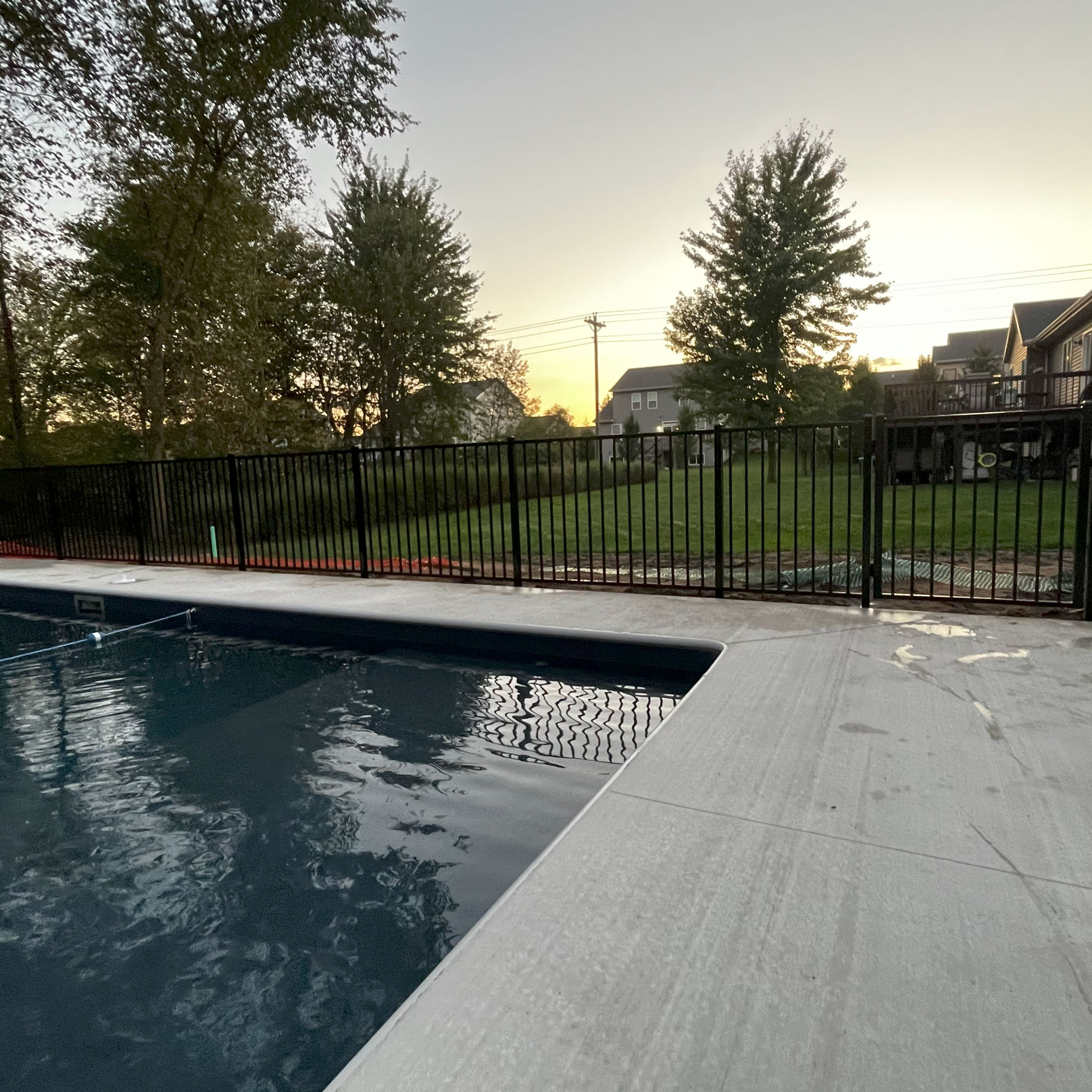
A pool enclosure is only as effective as its access points.
Pool gates should be:
Every pool deck is different.
Pool fencing may need to be installed through:
The installation method needs to match the surface.
Concrete installations may involve:
The goal is to secure the fence without compromising alignment or long-term stability.
Pavers require more planning because they can shift independently.
Depending on the project, installation may involve:
Pool fencing can be used for:
The design and hardware requirements may differ depending on how the pool is used.
If you want maximum visibility:
If you want more privacy:
If practicality and budget are the priority:
Pro-Line Fencing installs pool fencing throughout West Michigan and can help you choose an option that fits your property, goals, and local requirements.