Learn when Michigan pools need a safety fence, including requirements for in-ground, above-ground, and temporary pools.
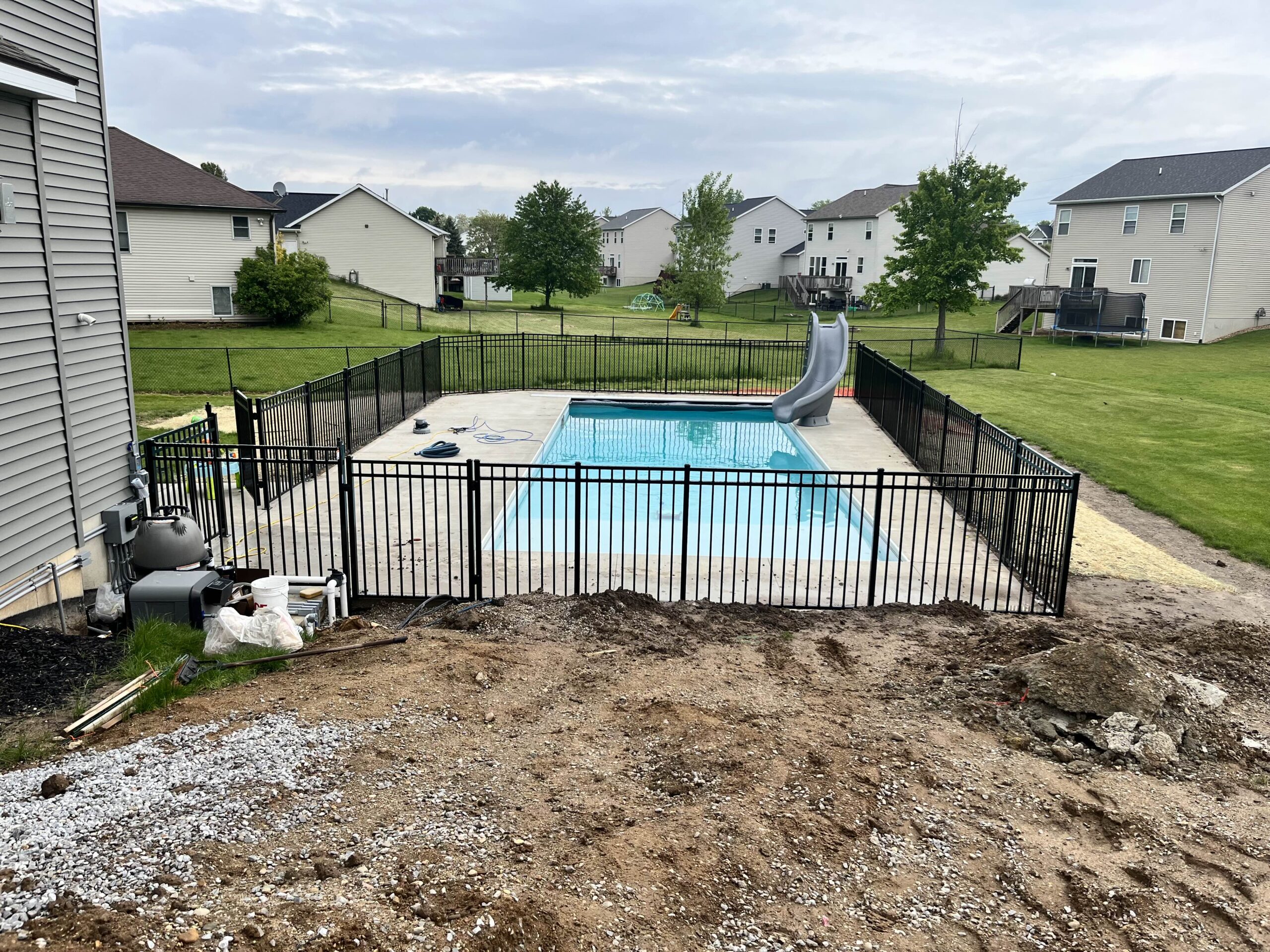
In Michigan, a pool generally needs a safety barrier when it is more than 24 inches deep. That can include in-ground pools, above-ground pools, and even some temporary or inflatable pools.
The exact requirements can vary by municipality, so your local building department should always have the final say.
A pool fence is not just about checking a code box. It is there to reduce accidental access and give families more peace of mind around the backyard.
Different pool styles can be treated differently depending on their height and how they are accessed.
In-ground pools typically require a compliant barrier because the water is directly accessible from ground level.
Common requirements can include:
Some above-ground pools may use the pool wall itself as part of the required barrier if the wall is high enough.
Important factors can include:
If the access point can be reached easily, additional fencing may still be required.
Temporary does not automatically mean exempt.
A deeper inflatable or seasonal pool may still fall under local safety requirements if it remains filled and accessible.
Before setting one up for the season, check with your local municipality.
Common pool-fence requirements may include:
Requirements can differ by city, township, HOA, and property type.
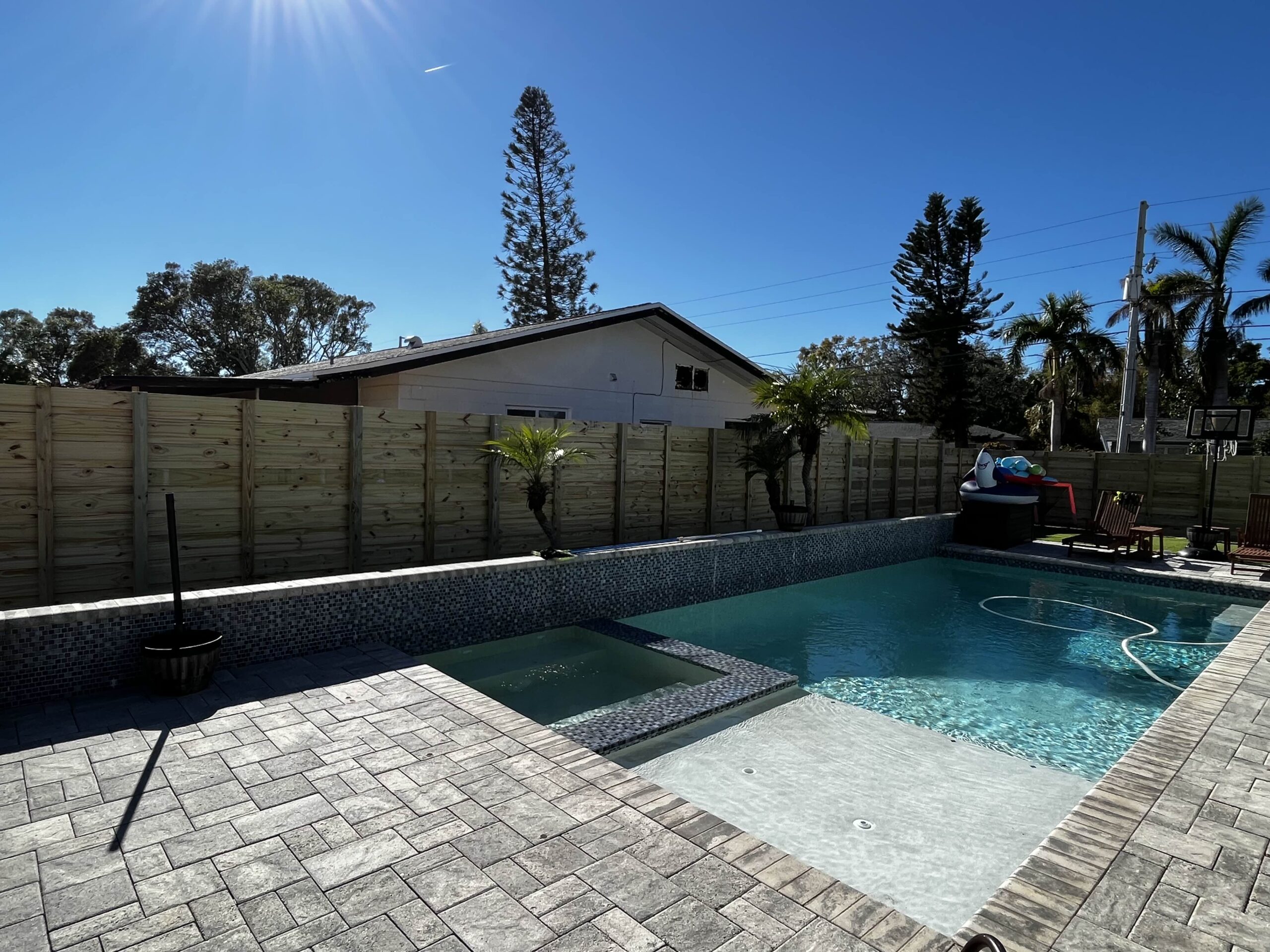
Rules can vary throughout West Michigan, including:
If you're planning a pool or fence project, checking permit requirements before installation can prevent delays later.
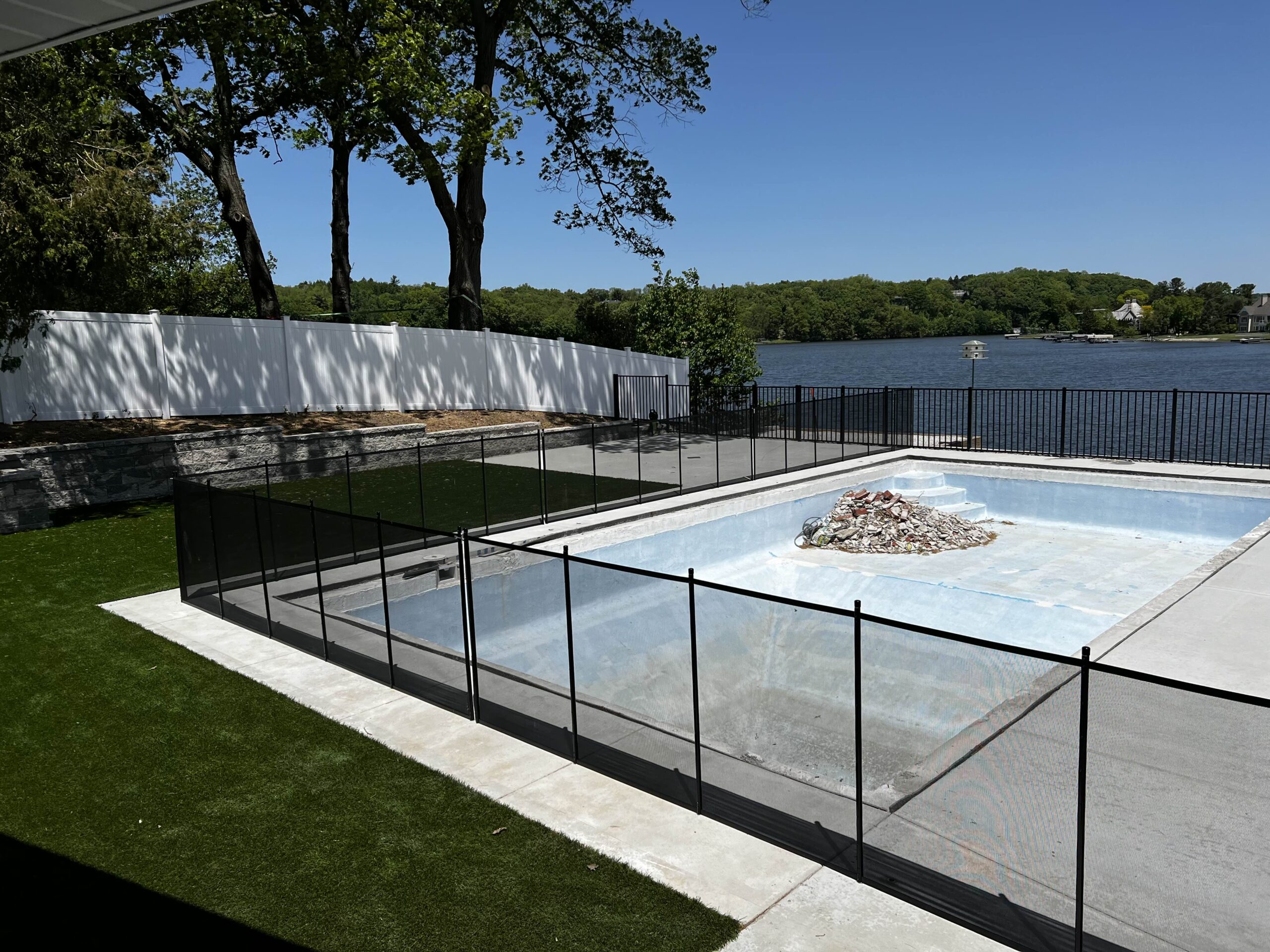
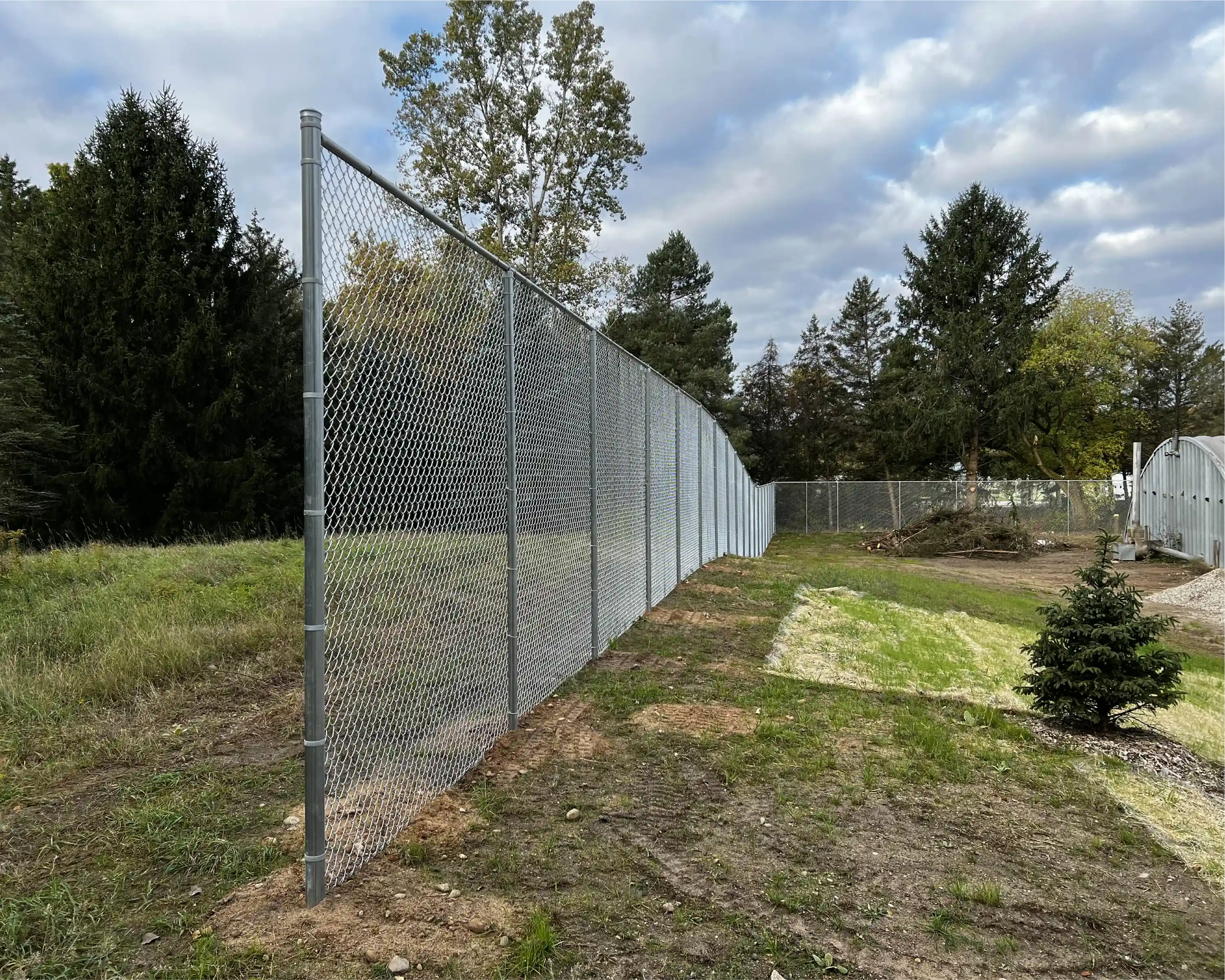
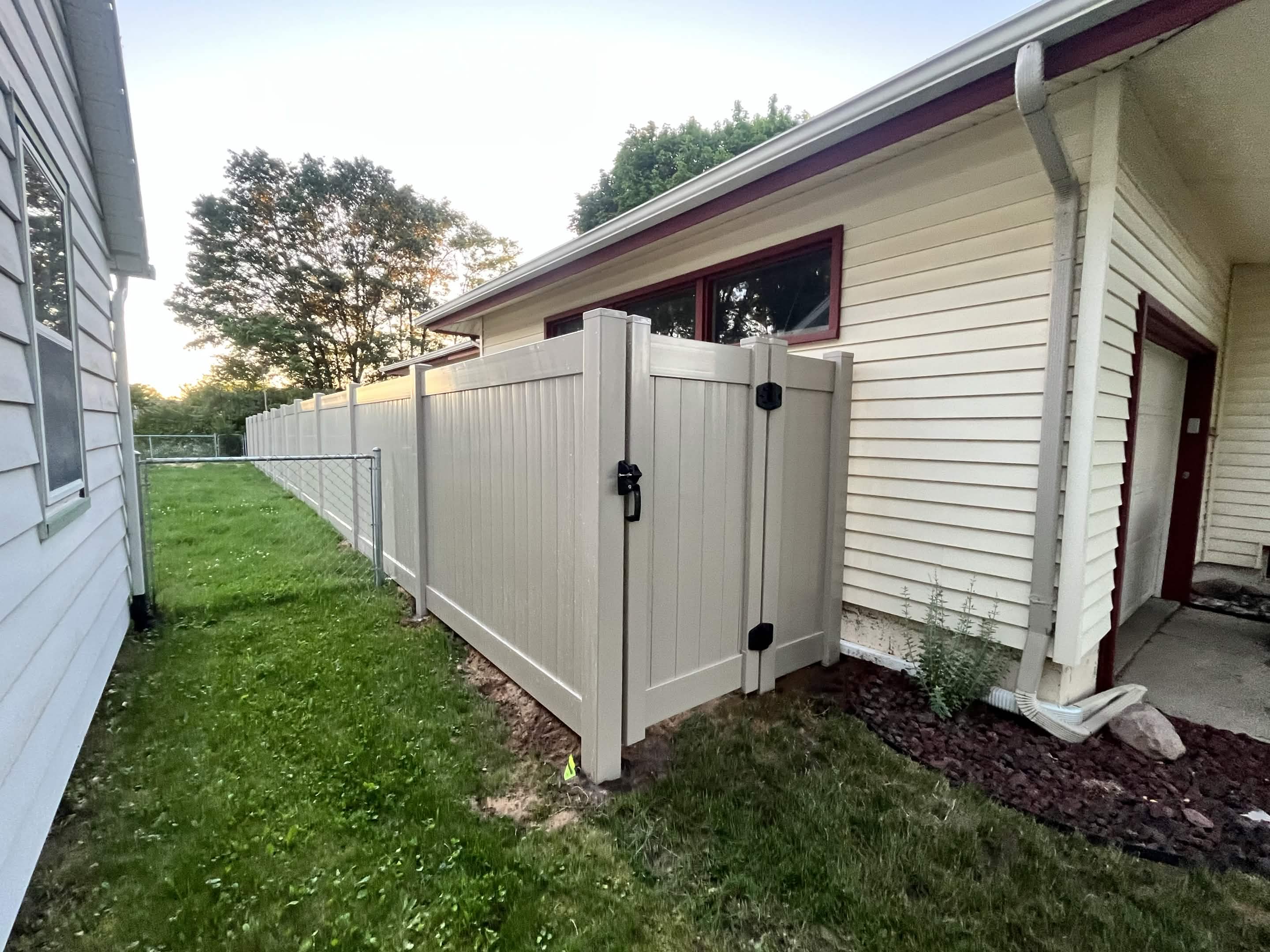
Popular pool fencing options include:
The right fence should meet code while still fitting the way you use your backyard.
Pro-Line Fencing installs residential fencing throughout West Michigan. We can help you choose a fence style that works with your pool area, property layout, and local requirements.